
EDITORIAL FIELD GUIDE · CAVITATION SCIENCE

What Is
Ultrasonic Cleaning?

Ultrasonic cleaning doesn’t rely on brushes or physical scrubbing. Instead, it uses sound waves to create a microscopic vacuum cleaner inside your record grooves. This process called cavitation safely blasts away decades of stubborn grime without ever touching the fragile vinyl itself.

Acoustic Cavitation Zero-Contact Physics
3 Min Read Time
Atelier Grade Preservation Standard
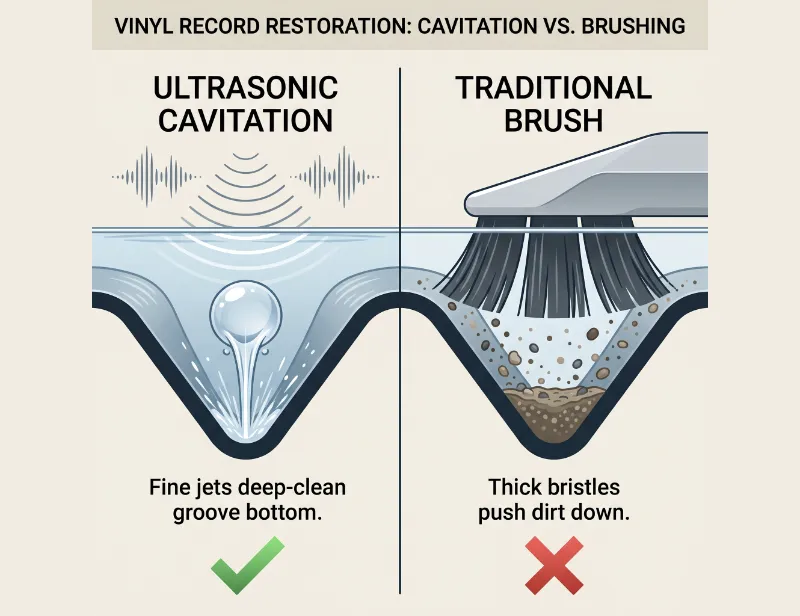
Ultrasonic cavitation bath purifying vinyl microgrooves with acoustic wave pressure
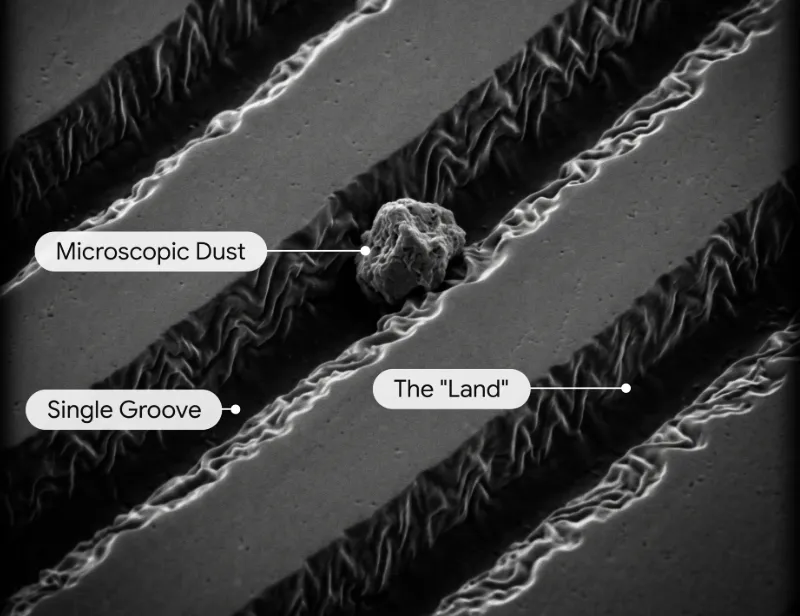
Microscopic vinyl record sound groove canyons illuminated under warm studio light
01

How Cavitation Works

The Science: Sub-micron acoustic vacuum implosions reaching into the deepest groove valleys.
Zero-Contact: Safe

When high-frequency sound waves travel through the water bath, they create microscopic bubbles. When these bubbles collapse against the record, they release tiny, powerful jets of water.

Because these jets are smaller than a human hair they reach the absolute bottom of the V-shaped groove, a place where traditional velvet brushes physically cannot reach, often just pushing dirt deeper.

Why Brushes Fail

A stylus contact patch is only a few microns wide. Traditional hand-held velvet brushes and microfiber cloths have bristles 50 to 100 times thicker than high-frequency microgrooves, skimming over the top while pressing loose particulate sludge firmly into the groove bed.
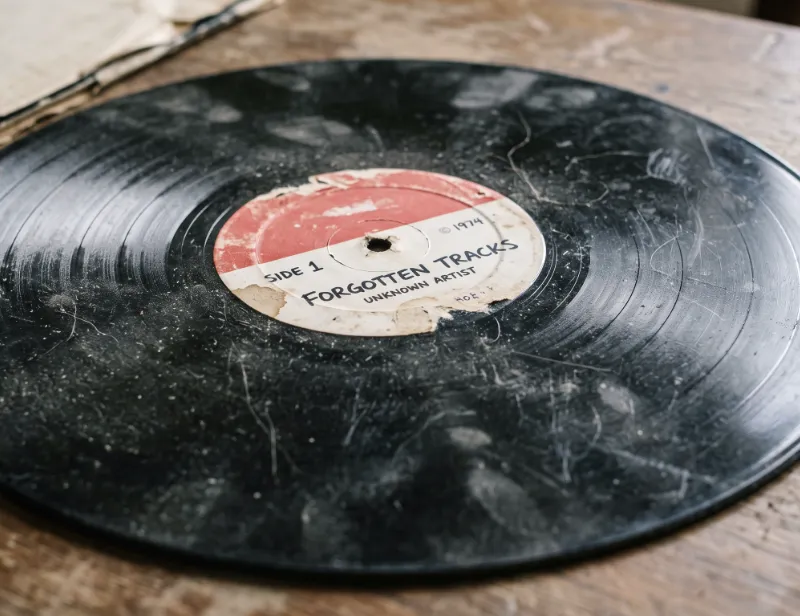
Dirty vintage vinyl record covered in dust fibers and handling residue
02

What Are You Actually Removing?

The Contaminants: Records pick up two types of gunk over the years, and ultrasonic baths tackle both at once.

Over decades of handling, playing, and sleeve storage, records accumulate a complex composite of mechanical and chemical contamination:

Physical Grime

Dust, paper sleeve fibers, and microscopic grit are blasted loose by the bubble jets and float safely away into the water bath.

Sticky Films

Fingerprint oils, cigarette smoke tar, and factory mold-release compounds are broken apart by the energy of the bubbles combined with a cleaning fluid.

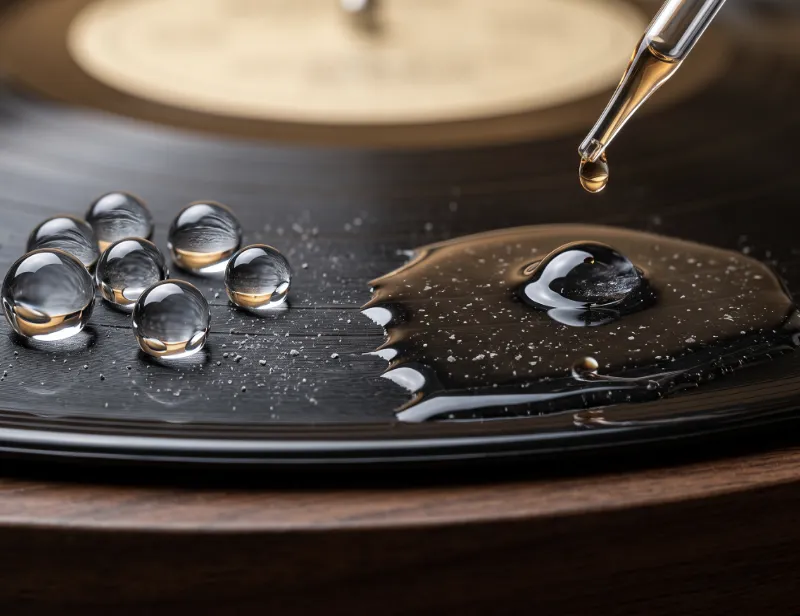
Ultrasonic tank fluid bath surface tension breakdown with surfactant chemistry
03

The Secret Ingredient

Surface Tension Chemistry: Why pure water alone cannot penetrate deep microgrooves.
Surfactant: Essential

Pure water alone isn't enough. Because water likes to bead up, you need a few drops of a surfactant (a wetting agent) in the bath. This breaks the surface tension, allowing the water to easily flow down into those tiny microscopic canyons and trap the dirt so it doesn't stick back onto the record when you pull it out.

The Wax Lab Aqueous Formula

Our atelier utilizes medical-grade multi-stage reverse osmosis water paired with laboratory-purified, residue-free non-ionic surfactants. This prevents re-deposition and leaves zero drying film on the vinyl substrate.

HEAR THE CAVITATION DIFFERENCE

RESTORE YOUR VINYL TO MASTER FIDELITY

Ready to experience your collection purged of surface crackle, persistent grime, and oil deposits? Send your prized pressings to The Wax Lab atelier in Green Bay, Wisconsin.

Explore Deep Cleaning Service